

 Tong-Bai Foundation
 Mae Sapok 62/3 mu. 11
 +66 (0)861 93 03 77
 info@tong-bai.com


Projects
Tong Bai Elephant Care Center (TBECC)
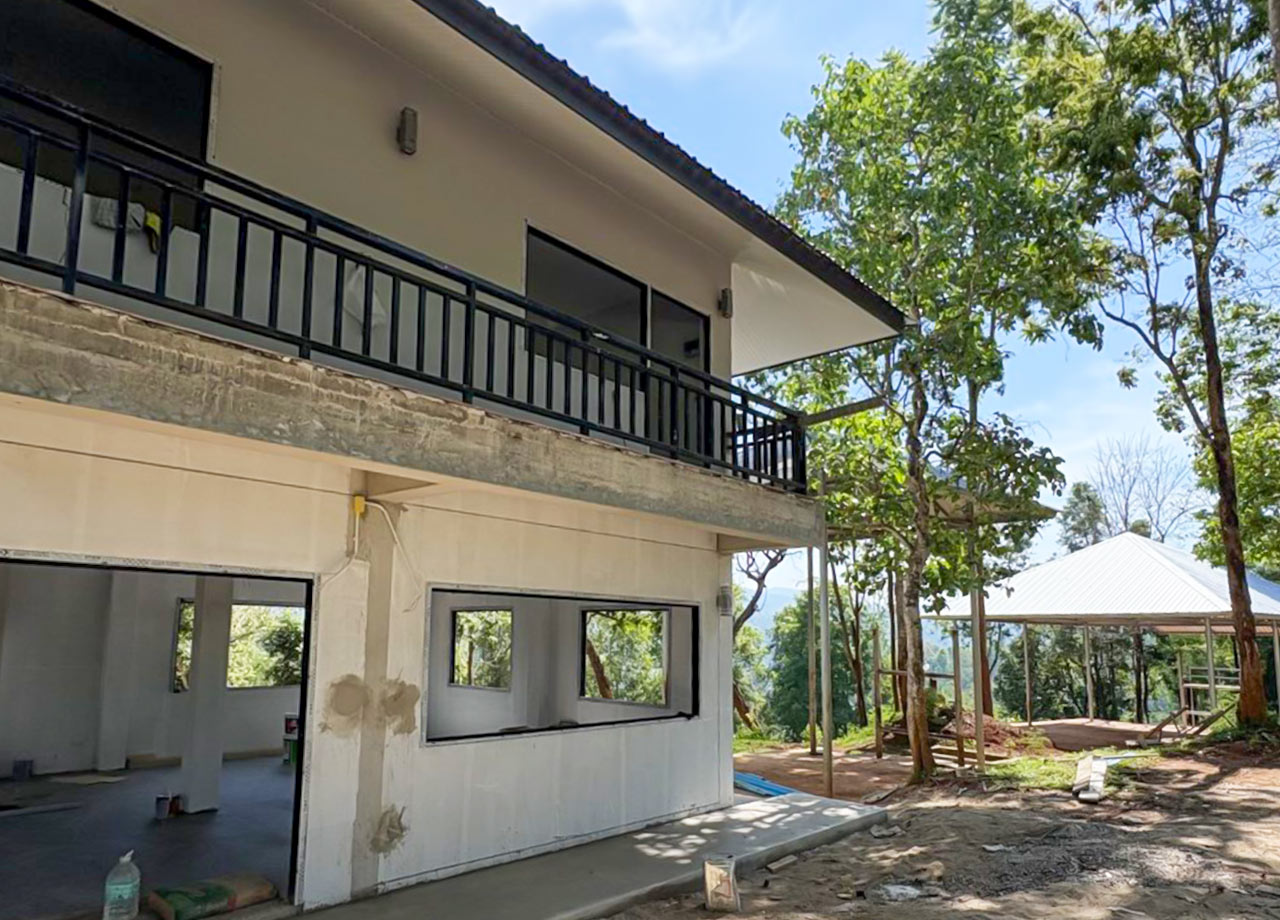
In 2024, construction began on our Tong Bai Elephant Care Center (TBECC) in the heart of Northern Thailand. Our vision is to create the largest, most comprehensive, and most advanced care centre of its kind for Asian elephants.
Why the TBECC Is So Urgently Needed
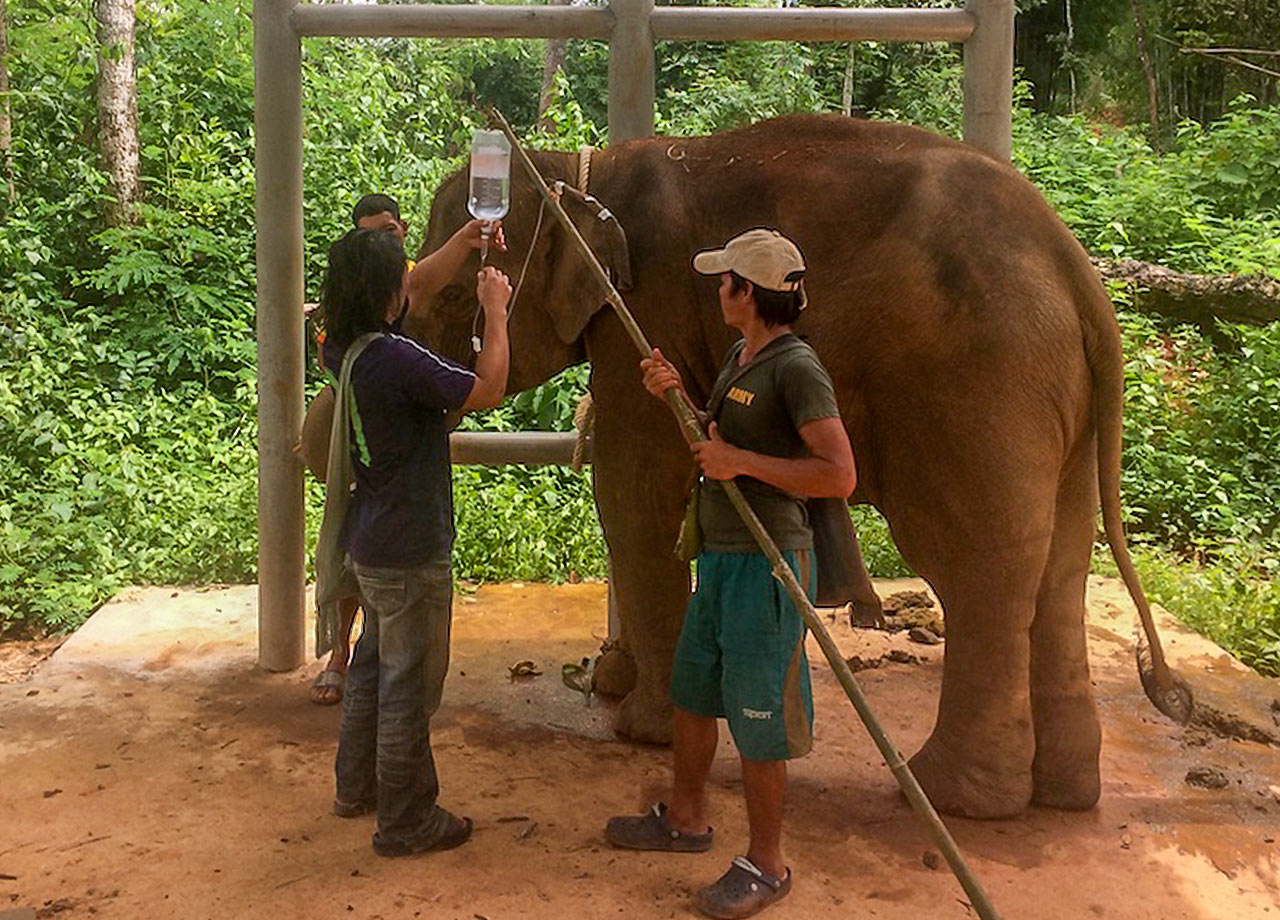
In Thailand, there are only a few places where elephants can receive specialised medical care. The nearest government facility is located in Lampang, around 130 km from our camp – often too far away in an emergency. Elephant Endotheliotropic Herpesvirus (EEHV) is considered one of the greatest threats to elephants worldwide. In elephants, EEHV manifests as a haemorrhagic disease, comparable in severity to dengue fever in humans, and can kill young elephants between one and ten years of age within just 48 hours. Worldwide, the mortality rate is estimated at around 96%. At present, there is no preventive treatment and no vaccine against this deadly virus. Having our own on-site laboratory would therefore be crucial in enabling early diagnosis and timely treatment to save lives. Every lost minute and every kilometre travelled can make the difference between life and death.
Where We Stand Today
Thanks to your support, the TBECC already includes:
- a veterinary station for emergency and long-term care
- a modern treatment area
- a rehabilitation zone in a natural, low-stress environment
These achievements mark an important milestone. However, we still lack funding for:
- a separate musth enclosure for bull elephants
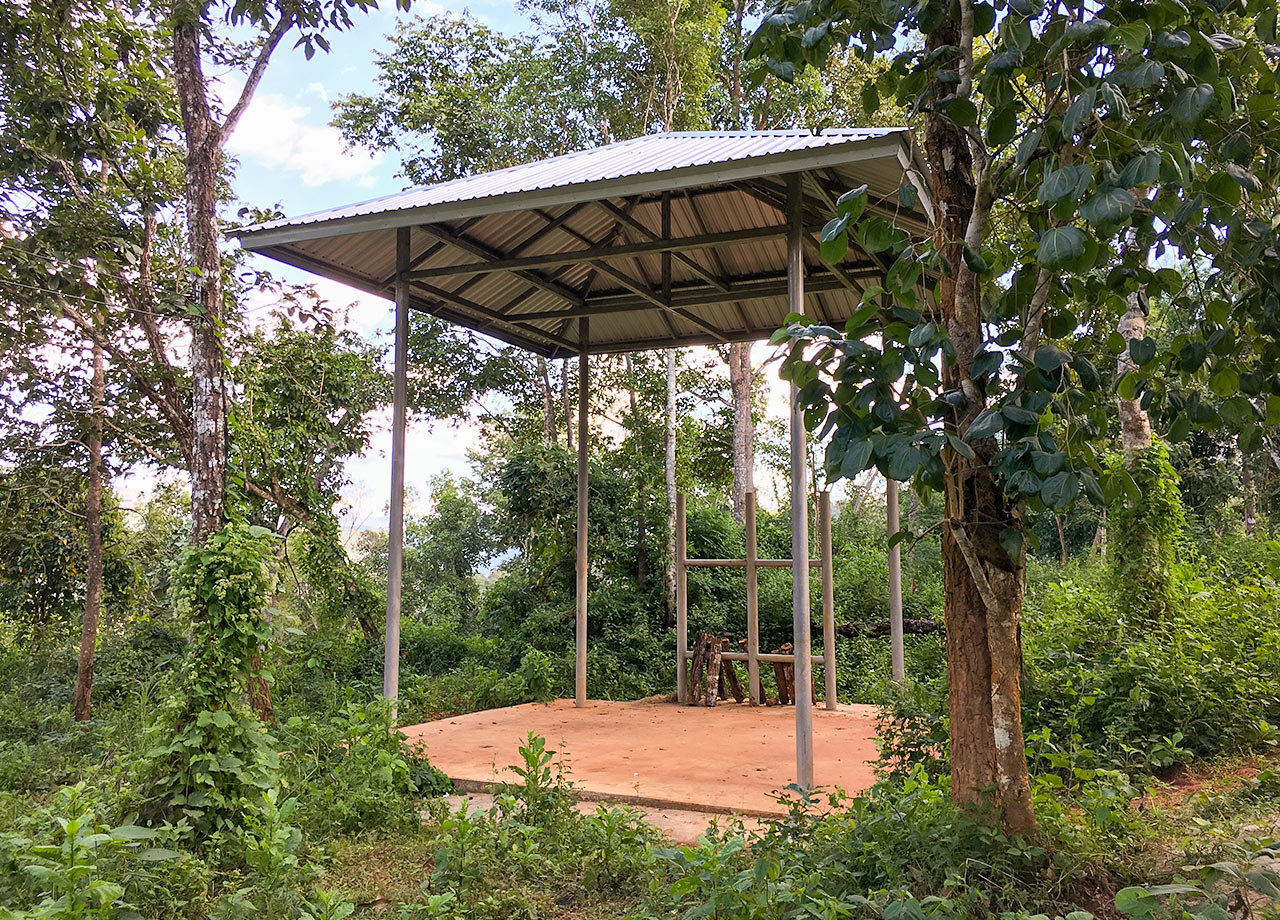
- roofing for our mother-and-calf enclosure
- a fully equipped laboratory for hormone and blood analysis
- permanent veterinary staff
- and much more
The total cost of developing the TBECC is currently estimated at a minimum of €500,000.
Why This Matters
Asian elephants are endangered – and every elephant saved matters. Without professional veterinary care, diseases are often detected too late, injuries remain untreated, and lives are lost. Our vision is simple: a life of dignity for elephants. To achieve this, gaps in medical infrastructure must be closed quickly, reliably, and directly on site.
100% Donation-Funded
The TBECC is financed entirely through donations. No government funding. No major corporations. Only people who, like us, believe in a future for elephants.
Sustainable Feed Production for Our Elephants
The care of our elephants begins with high-quality, natural nutrition – with the goal of protecting their health and supporting their long-term wellbeing.
Our Own Hay Production
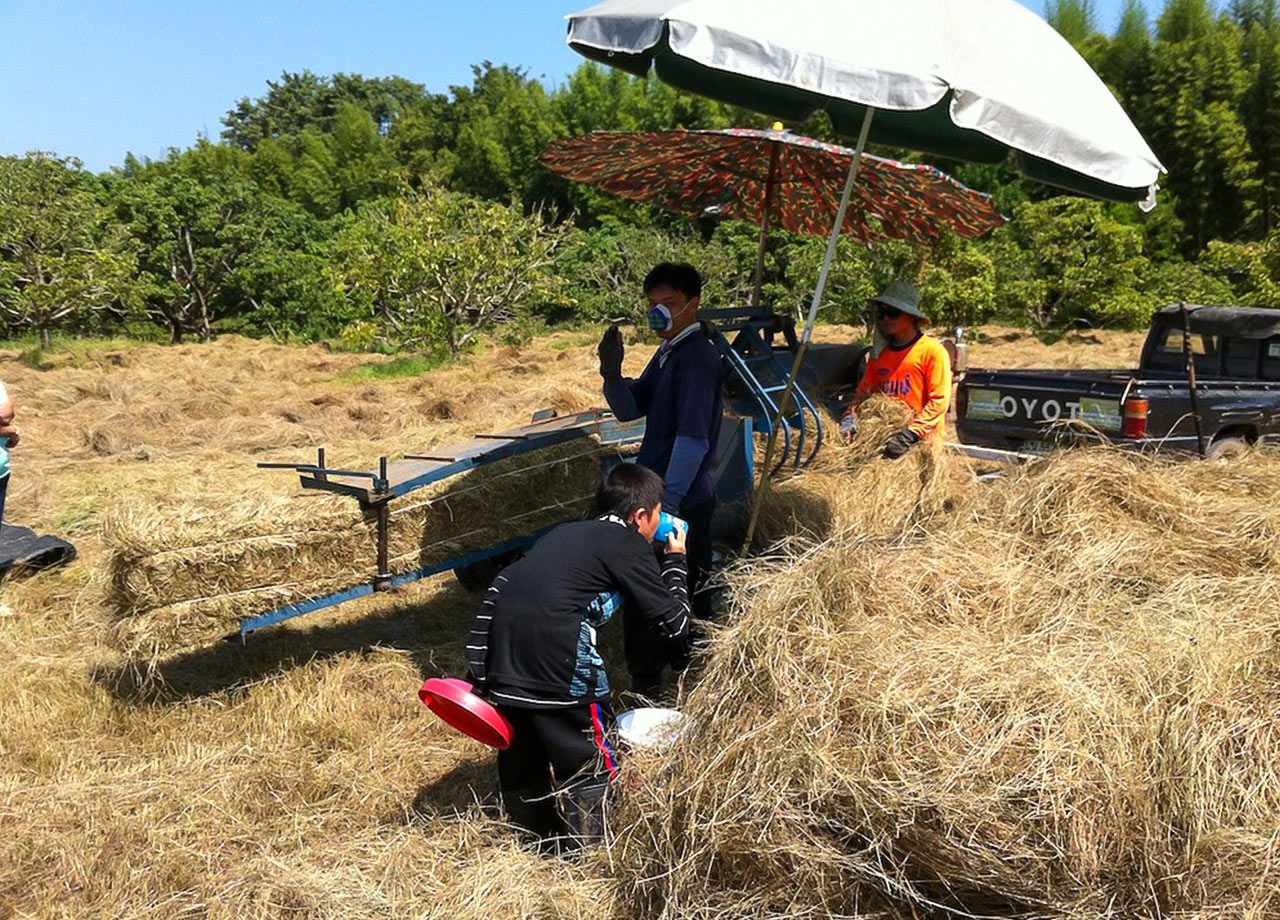
The natural diet of our elephants is based on what their environment provides: herbs, grasses, bark, roots, and leaves from the surrounding forests and grasslands. However, an adult elephant requires up to 250 kilograms of food every day – an amount that cannot be fully supplied even within our near-natural camp environment. For this reason, we supplement their natural diet with additional feed such as elephant grass and maize. An important part of this supplementary feeding is produced by us directly: high-quality hay. Producing our own hay allows us to maintain full control over the quality and origin of this essential feed and ensures that our elephants receive fibre-rich and nutritious food throughout the year – a standard of care that remains exceptional in Thailand.
Why This Matters
Hay plays a vital role in elephants’ digestion and overall health. Producing high-quality hay under Thailand’s climatic conditions is challenging. The long rainy season and high humidity limit the harvest period to only a few months each year, between December and March. As a result, only a small number of locations in the country are suitable for producing premium-quality hay. One of these locations is the village of Ta Goa Muang in Lamphun Province, approximately 80 kilometres from our camp in Mae Sapok. There, a group of 20 farmers jointly cultivates an area of around 48 hectares (300 rai). Providing a healthy and balanced diet for our elephants costs approximately USD 60 per elephant per month.
Sustainability
We deliberately avoid the use of pesticides in order to maintain the highest possible feed quality while protecting both the environment and biodiversity. Although this approach reduces annual yields, it forms an essential foundation for the long-term health and sustainable nutrition of our elephants.
Reliable Nutrition, Every Day
Caring for elephants means far more than providing shelter and veterinary treatment. It also means ensuring a continuous supply of several tonnes of high-quality feed every day. Through our own hay production, we make a direct and practical contribution to the daily wellbeing of our elephants and create the foundation for their health, quality of life, and future.